
Greetings! I'm Aneesh Sreedharan, CEO of 2Hats Logic Solutions. At 2Hats Logic Solutions, we are dedicated to providing technical expertise and resolving your concerns in the world of technology. Our blog page serves as a resource where we share insights and experiences, offering valuable perspectives on your queries.
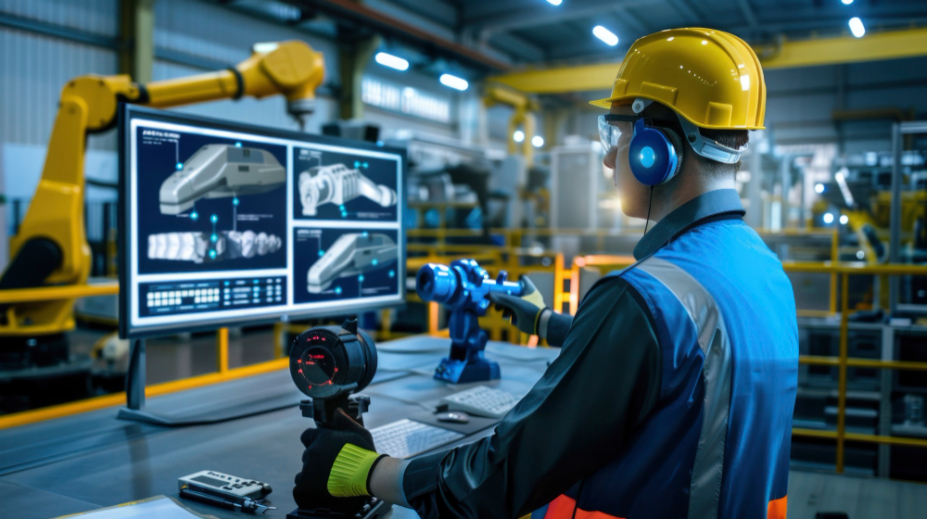
Manufacturing quality standards have reached a critical inflection point. While manual inspection methods served the industry for decades, they can no longer keep pace with modern production demands. Human inspectors miss 20-30% of defects due to fatigue and inconsistency, a margin of error that costs the industry billions annually.
AI-powered quality inspection changes this equation completely. Using computer vision and machine learning, these systems detect defects with 99%+ accuracy at speeds 10 times faster than manual methods.
Traditional vs. AI Quality Control: Understanding the Shift
The Limitations of Manual Inspection
Manual quality inspection has served manufacturing well for decades, but it comes with inherent limitations. Human inspectors, no matter how skilled or dedicated, face challenges that directly impact inspection quality:
- Fatigue and Concentration: After inspecting hundreds of items, even the best inspectors experience declining accuracy.
- Inconsistency: Different inspectors may interpret quality standards differently, leading to variable outcomes across shifts or facilities.
- Speed Bottlenecks: Manual inspection is slow, typically handling 20-50 items per minute, depending on complexity. This creates production bottlenecks.
- Limited Data Collection: Manual inspections provide minimal data for analysis, making it difficult to identify trends or root causes of defects.
How AI Systems Transform Quality Control
AI-powered visual inspection systems flip these limitations on their head. Using high-resolution cameras coupled with sophisticated computer vision algorithms, these systems can:
• Maintain Consistent Accuracy: AI doesn’t get tired, distracted, or have bad days. It applies the same rigorous standards to every single product, 24/7.
• Operate at Production Speed: Modern AI inspection systems can analyze 200-500 items per minute while maintaining high accuracy, up to 10 times faster than manual inspection.
• Detect Microscopic Defects: Computer vision can identify flaws invisible to the human eye, including surface scratches as small as 0.01mm, slight color variations, and dimensional inconsistencies.
• Generate Comprehensive Data: Every inspection creates a data point, enabling powerful analytics to identify patterns, predict potential issues, and continuously improve processes.
Real-World ROI: The Business Case
A automotive parts manufacturer implementing AI inspection reported these results within the first year:
• 40% increase in inspection throughout, allowing the same line to handle more volume
• 80% reduction in defects reaching customers, dramatically improving satisfaction
• Millions saved annually in waste reduction and rework costs
• 8-month payback period on the AI system investment
For small to medium enterprises concerned about investment costs, cloud-based AI inspection platforms now offer flexible pricing models. These systems require minimal upfront hardware investment and can scale as your needs grow, making advanced quality control accessible even with limited budgets.
PRO TIP: Start with your highest-volume product line or the area with the most quality issues. This focused approach delivers faster ROI and provides valuable learning before expanding to other lines.
Core Technologies Powering AI Inspection
Understanding the technology behind AI inspection helps you make informed decisions during implementation.
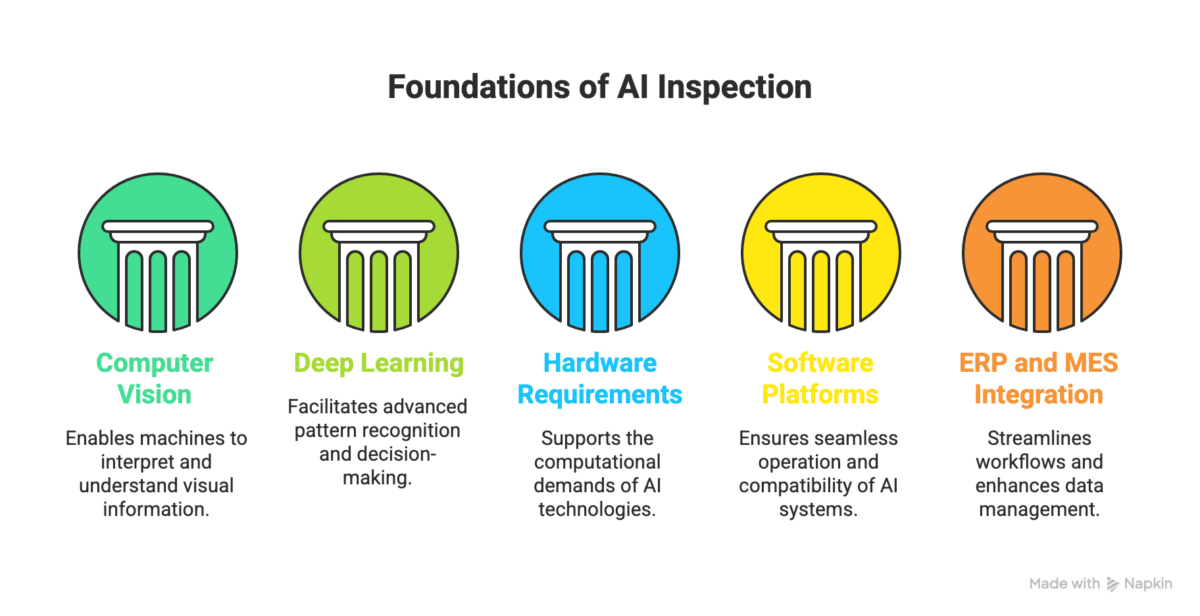
Computer Vision
Computer vision is the technology that allows machines to “see” and interpret visual information. In quality inspection, specialized industrial cameras capture high-resolution images of products as they move along the production line. These images are then analyzed by algorithms trained to identify specific defects.
Think of it like this: A human inspector uses their eyes and brain to spot defects. Computer vision gives machines that same capability, but with superhuman consistency and speed. The system can be trained to recognize scratches, dents, cracks, color variations, missing components, dimensional errors, and virtually any visual defect relevant to your products.
Deep Learning
Deep learning, particularly Convolutional Neural Networks (CNNs), provides the intelligence behind the inspection. Here’s what happens: You train the system by showing it thousands of images of both good products and products with various defects. The neural network learns to distinguish between acceptable and defective items by identifying patterns in the visual data.
The beauty of this approach is that the system gets smarter over time. As it sees more examples, it becomes better at detecting subtle defects and reducing false positives. You don’t need to be a data scientist to use these systems; modern platforms provide user-friendly interfaces for training and refinement.
Hardware Requirements
The good news: You don’t need a server farm to implement AI inspection. Here’s what a typical system requires:
• Industrial Cameras: High-resolution cameras (typically 5-12 megapixels) positioned to capture clear images of products. Cost ranges from $500 to $3,000 per camera, depending on specifications.
• Lighting Systems: Proper illumination is critical. LED ring lights or backlighting ensure consistent, shadow-free images. Budget $200-$800 per station.
• Edge Computing Devices: Small, powerful computers that process images in real-time at the production line. Modern edge devices start around $2,000 and can handle multiple cameras.
• Sensors and Triggers: Photo-eye sensors or encoders that tell the camera when to capture images. These cost $50-$300 each.
For a single-station pilot system, you can expect total hardware costs between $5,000 and $15,000. Cloud-based solutions reduce this further by eliminating the need for powerful on-site computing infrastructure.
Software Platforms
You have several software options depending on your technical capabilities and requirements:
• Open-Source Solutions: Platforms like OpenCV and TensorFlow provide powerful computer vision capabilities at no licensing cost. Best for companies with in-house AI expertise or those willing to invest in development.
• Commercial Platforms: Companies like Cognex, Keyence, and Landing AI offer complete inspection solutions with training tools, deployment support, and maintenance. These typically cost $10,000-$50,000 annually per line.
• Cloud AI Platforms: Services like Google Cloud Vision, AWS Rekognition, and Azure Custom Vision provide AI inspection capabilities through cloud APIs. Pricing is usage-based, starting around $500-$2,000 monthly.
Integration with ERP and MES Systems
The real power of AI inspection comes from integration with your existing Manufacturing Execution System (MES) and Enterprise Resource Planning (ERP) software. This connection allows inspection data to flow seamlessly into your quality management workflows, inventory systems, and analytics dashboards.
Most modern AI inspection platforms provide standard APIs and connectors for popular ERP systems like SAP, Oracle, and Microsoft Dynamics. This means defect data automatically triggers actions like quarantine orders, alerts to quality teams, or adjustments to production parameters.
WARNING: Poor lighting is the number one cause of AI inspection failure. Before purchasing expensive cameras or software, invest time in designing proper illumination for your inspection station. Consistent, shadow-free lighting is non-negotiable for accurate results.
Considering AI Quality Inspection for Your Facility?
Industry Use Cases
Let’s look at real-world applications across different industries to understand how AI inspection delivers value.
Automotive Manufacturing: Surface Defect Detection
A tier-1 automotive supplier manufacturing metal stampings implemented AI inspection to detect scratches, dents, and surface irregularities on painted components. Previously, manual inspectors checked each part visually, a slow process prone to inconsistency.
Results after six months:
• Defect detection rate improved from 72% to 99.2%
• Inspection speed increased from 35 to 180 parts per minute
• Customer returns dropped by 87%
• Annual savings: $1.8 million from reduced scrap and rework
• Payback period: 6 months
The system now catches microscopic scratches invisible to human inspectors, preventing defects that would only become apparent after final assembly.
Best Practices and Common Pitfalls
Learn from others’ experiences. Here are proven practices that lead to success and mistakes to avoid.
Critical Success Factors
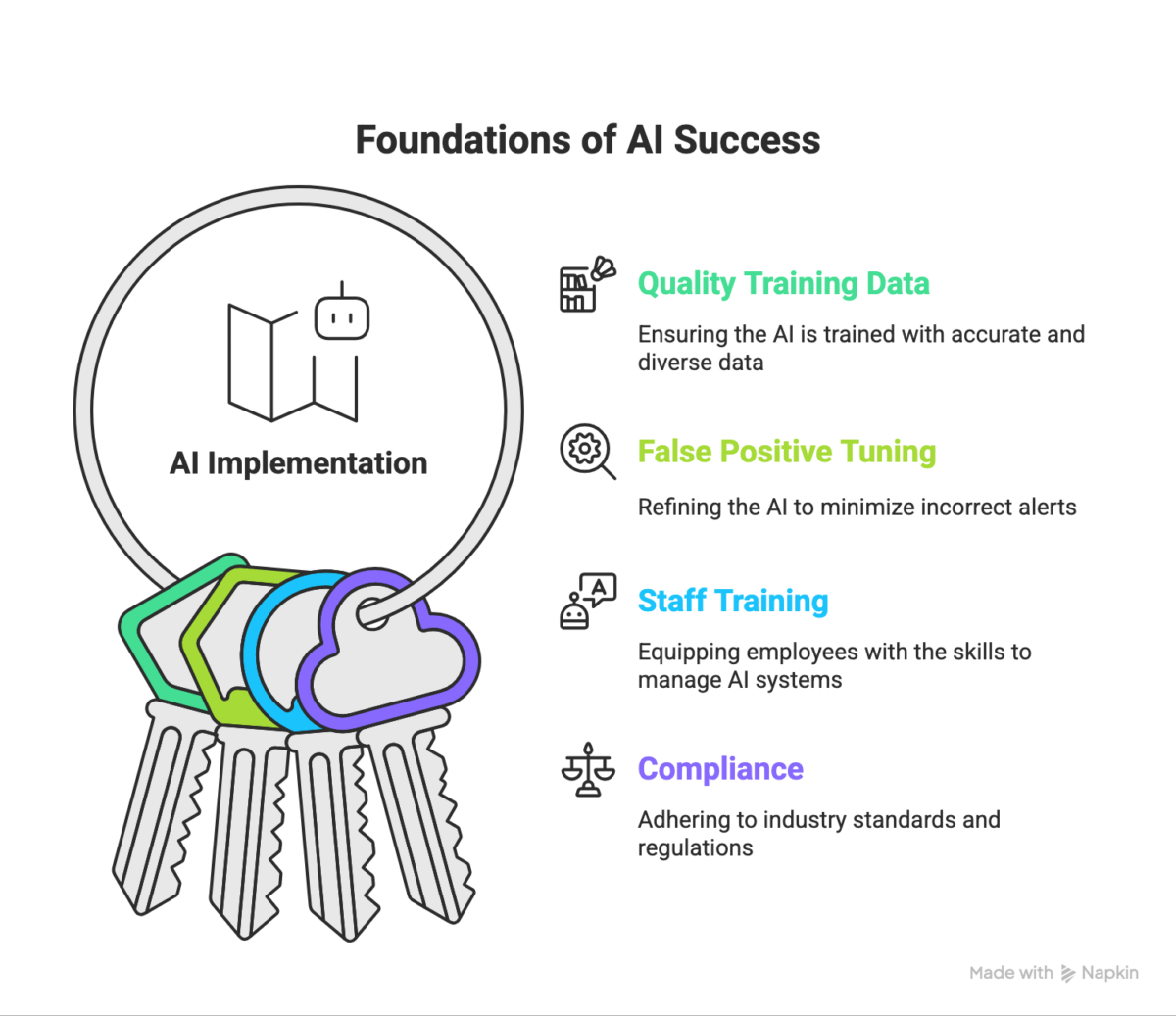
Invest in Quality Training Data
Your AI system is only as good as the data you train it on. Resist the temptation to rush data collection. Take time to gather diverse, representative examples of both good products and all defect types. Include edge cases and borderline examples; these are where the system learns to make nuanced decisions.
Use a consistent labeling methodology. Have the same person or team label all examples initially, or at a minimum, establish clear labeling guidelines that everyone follows. Inconsistent labels confuse the AI and degrade performance.
Master the Art of False Positive Tuning
Every AI inspection system faces the balance between sensitivity (catching all defects) and specificity (not flagging good products as defective). Too sensitive and you’ll waste time reviewing false positives. Too lenient and defects slip through.
The key is adjusting confidence thresholds based on business impact. For safety-critical defects, set high sensitivity even if it means more false positives; better to be cautious. For cosmetic issues, optimize for efficiency with fewer false alarms.
Train Your Staff Thoroughly
AI inspection changes workflows, and your team needs to adapt. Invest in training that covers:
• How the system works and its capabilities/limitations
• Interpreting inspection results and confidence scores
• When to override AI decisions and how to properly document those cases
• Basic troubleshooting for common issues
• Using the system to improve processes, not just catch defects
Position the AI as a tool that makes inspectors’ jobs easier and more valuable, not as a replacement. When people understand they’re being enhanced rather than replaced, adoption goes much more smoothly.
Maintain ISO and Regulatory Compliance
If you operate under ISO 9001, AS9100, ISO 13485, or other quality standards, ensure your AI inspection system meets requirements. This typically means:
• Documented procedures for system validation and calibration
• Regular performance audits comparing AI results to known standards
• Traceability of all inspection decisions
• Change control for model updates or configuration changes
• Training records for operators
Most commercial AI inspection platforms provide tools specifically designed to meet these requirements. If you’re building a custom solution, factor compliance capabilities into your design from the start.
Mistakes to Avoid
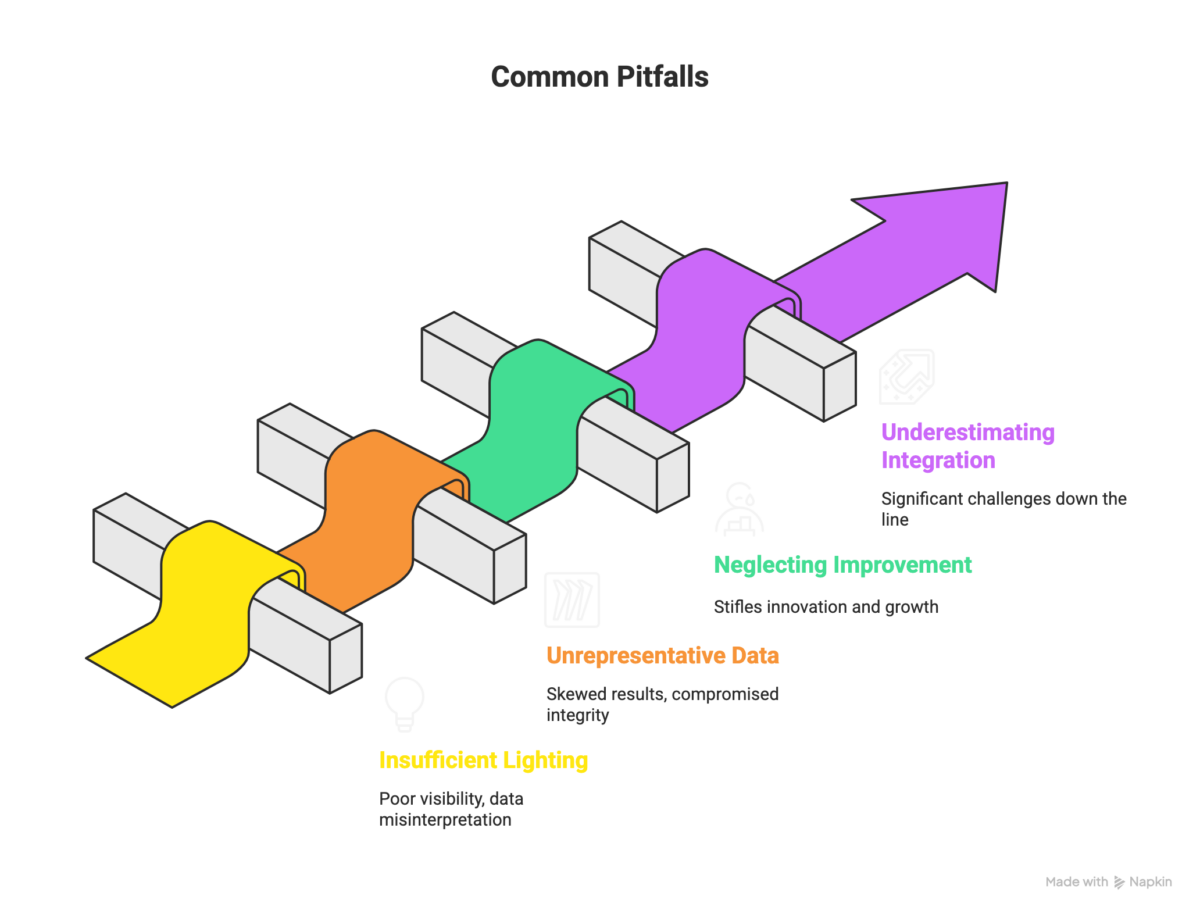
Insufficient or Inconsistent Lighting
Variations in lighting cause shadows, glare, or color shifts that confuse AI systems. Invest in quality LED lighting specifically designed for machine vision applications. Position lights to eliminate shadows and provide even illumination across the entire inspection area.
Consider different lighting techniques for different defect types: Bright field lighting for general surface inspection, dark field for detecting scratches, and backlighting for dimensional verification.
Unrepresentative Training Data
Training your AI system using images captured under ideal conditions, then deploying it in real production, will fail. Collect training data under actual production conditions, variable speeds, normal vibration, and typical dust or contamination levels. If your products vary in color, material, or finish across different batches, your training set must reflect this diversity.
Neglecting Continuous Improvement
AI inspection isn’t “set and forget.” Products evolve, new defect types emerge, and production conditions change. Establish a process for continuously collecting edge cases and retraining your model. Many successful implementations schedule quarterly model updates based on accumulated data from production.
Underestimating Integration Complexity
Getting an AI model working in isolation is relatively straightforward. Integrating it with your ERP, MES, and quality systems while maintaining production flow is the real challenge. Don’t underestimate the time and expertise required for proper integration. Budget adequate resources for this phase and involve your IT and operations teams early in planning.
WARNING: Never go straight from pilot testing to full production without a phased rollout. Keep manual inspection as a backup during the first 2-4 weeks of live operation. This safety net prevents production disruptions if unexpected issues arise.
Future Trends in AI Quality Inspection
AI quality inspection technology continues to evolve rapidly. Here’s what’s coming next.
Edge AI: Intelligence at the Source
The next generation of AI inspection systems will process images entirely on edge devices right at the production line, eliminating reliance on cloud connectivity. This means faster inspection speeds, reduced latency, enhanced data security, and the ability to operate in environments with limited or no internet access.
Modern edge AI processors can now run sophisticated deep learning models in real-time while consuming minimal power. This makes AI inspection practical even for distributed manufacturing operations or mobile inspection applications.
Predictive Maintenance Integration
Forward-thinking manufacturers are connecting AI inspection systems with predictive maintenance platforms. By analyzing defect patterns over time, these systems can predict when equipment needs maintenance before quality degrades.
For example, if the system detects a gradual increase in a specific defect type, it can alert maintenance teams that a tool is wearing or a process parameter is drifting. This predictive capability prevents quality issues before they occur, shifting from reactive to proactive quality management.
3D Vision and Advanced Sensing
While current AI inspection primarily uses 2D imaging, the future incorporates 3D vision systems that capture depth information. This enables the detection of defects that aren’t visible in 2D images, dimensional errors, warping, surface topology issues, and assembly problems.
Advanced sensing technologies like hyperspectral imaging (which sees beyond visible light), thermal imaging, and X-ray inspection are being integrated with AI for even more comprehensive quality control.
PRO TIP: Stay connected with your AI inspection vendor or platform community. Technology evolves rapidly, and vendors regularly release new capabilities. Many improvements, like model enhancements or new defect detection algorithms, can be deployed to existing systems through software updates at minimal cost.
Conclusion
Implementing AI-powered quality inspection can feel overwhelming, but you don’t have to do it alone. Whether you need help assessing your requirements, selecting the right technology, or planning your implementation, expert guidance makes all the difference.
At 2Hats Logic, we specialize in AI-powered solutions for manufacturing, including seamless integration with your existing ERP and MES systems. Our team has helped dozens of manufacturers achieve the ROI and quality improvements discussed in this guide.
FAQ
Can AI inspection work with our existing production line without modifications?
Yes, in most cases. AI inspection systems are designed to integrate with existing lines. You'll need to install cameras and lighting at appropriate inspection points, but this typically doesn't require significant line modifications. The system captures images as products pass by, analyzes them in real-time, and communicates results to your control systems. The key is ensuring adequate space and lighting at the inspection location.
How long does it take to train an AI model for our products?
Initial model training typically takes 4-8 weeks, including time for data collection, labeling, and iterative refinement. You'll need to gather 500-1,000 images of good products and 100-300 images of each defect type. The actual model training process (once data is ready) often takes just hours or days, but achieving production-ready accuracy requires several refinement cycles based on testing results.
What happens when we change products or add new product lines?
For new products, you'll need to train a new AI model using images of the new product type. However, if the new product is similar to existing ones, you can often start with a pre-trained model and fine-tune it with fewer examples. Some advanced systems use transfer learning, allowing them to adapt to new products faster. Plan for 1-3 weeks to deploy an inspection for a new product line after the initial system is established.

Related Articles